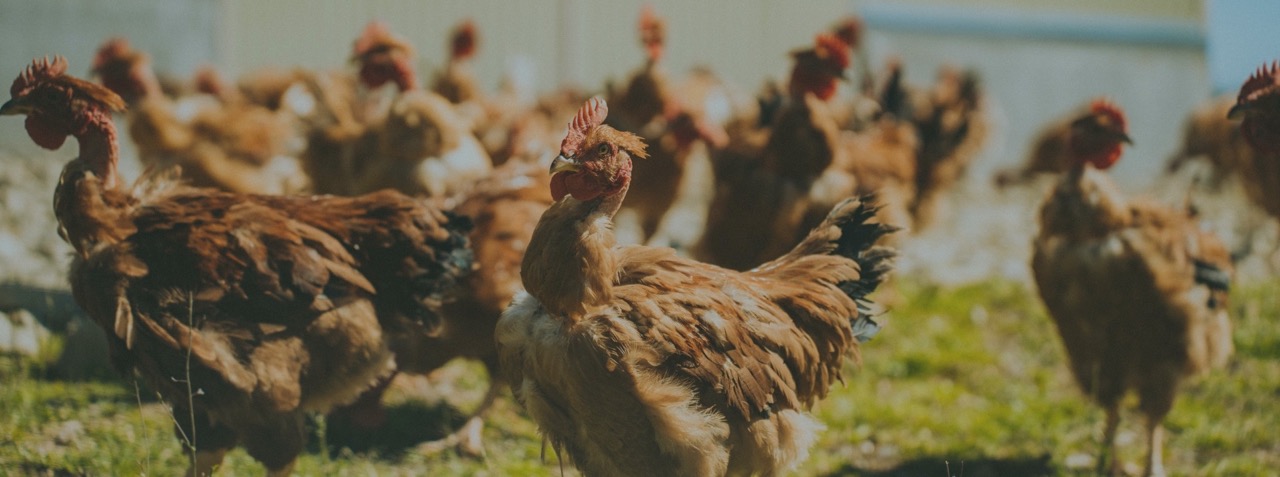



Raising laying hens can be a highly rewarding part of a diversified farm. Whether you’re starting a small free-range flock or building a professional egg-laying unit, the basics remain the same: understand the birds, choose the right equipment, and manage your setup with care and attention to detail.
At CABI Group, we work alongside farmers to provide equipment and guidance tailored to the realities of the field. In this guide, we walk you through the essential steps for launching and maintaining a productive, healthy and well-managed flock of laying hens.
Step 1: Planning Your Laying Hen Operation
Before bringing your first hens onto the farm, take the time to plan your system carefully. The choices you make at this stage will shape your daily routine, investment level, and long-term viability.
Define Your Production System
First, decide what type of production system suits your goals, land and market. The three most common are:
- Free-range (plein air): Hens have regular outdoor access and live in mobile or fixed housing. This system is appreciated by customers for animal welfare and product quality.
- Barn systems: Birds are housed indoors but with freedom to move within the shed. This model may offer lower land requirements and higher biosecurity.
- Organic production: Typically combines free-range access with certified organic feed and strict welfare standards. A strong selling point for direct-to-consumer sales.
Each of these systems has implications in terms of housing, feed requirements, labor intensity, and market pricing.
Clarify Your Objectives and Scale
Will egg production be your main activity or a complementary branch of your farm? Are you planning to sell at local markets, directly from the farm, or via collective sales channels?
Your answers will influence:
- The number of birds to start with
- Type of housing (mobile vs. permanent)
- Feed strategy (bought-in vs. farm-mixed)
- Egg collection and packaging setup
- Sales and marketing efforts required
Even small flocks can be profitable if well-integrated into an existing distribution network or value-added system.
Step 2: Administrative and Technical Foundations
Local Support and Resources
Depending on your country or region, you may be able to access advisory services, grants, or startup aid. Even if you’re building on a small scale, talking to other farmers, extension agents, or poultry vets can help avoid costly mistakes.
Prepare a basic business plan outlining:
- Investment and operational costs
- Expected income from egg sales
- Infrastructure and equipment needs
- Labor and time management
For farms aiming to build fixed structures, check if there are any zoning or building regulations that apply, especially in relation to animal housing, waste management, or feed storage.
Step 3: Choosing the Right Breeds and Equipment
Selecting Your Laying Hens
There are many breeds available, and the right choice depends on your production goals and environment. Common options include:
- Rhode Island Red: Robust, good egg producers, well-suited for free-range systems
- Sussex: Calm temperament, reliable layers of large, light brown eggs
- Marans: Known for their dark chocolate-colored eggs, attractive for niche markets
- Hybrids: Commercial strains bred for high productivity, often with predictable performance
We often recommend starting with pullets—young hens aged around 16–18 weeks that are ready to begin laying—rather than day-old chicks, to simplify management and reduce early mortality risks.
Key Equipment and Infrastructure
Your hens will need a safe, dry and well-ventilated place to live, lay eggs, and rest. Depending on your system, this might be a fixed coop or a mobile unit like our CABI Origin M or CABI BOX.
Basic equipment includes:
- Nest boxes: One per 4 to 6 hens, with dry bedding and easy access from outside
- Perches: Installed higher than nests, spaced at least 30–40 cm apart
- Feeders and drinkers: Durable, easy to clean, and protected from contamination
- Ventilation system: Natural or assisted airflow to maintain air quality
- Lighting (optional): Particularly useful in winter for maintaining consistent laying
- Fencing: To protect birds from predators and limit foraging area
- Litter and flooring: Caillebotis or marine plywood floors are common choices, depending on hygiene strategy
At CABI Group, we help farmers tailor their housing and equipment choices to their land, flock size, and mobility needs—particularly important for free-range or organic systems.
Step 4: Feeding, Health and Daily Management
Nutrition
A balanced diet is essential for consistent egg production. Most farms use commercial layer feed, but some also incorporate home-mixed rations using cereals and minerals. Ensure constant access to clean water and avoid feeding kitchen waste, which may be risky or illegal depending on your country.
Access to fresh forage (grass, herbs, insects) enriches the hens’ diet and reduces stress, especially in free-range systems.
Health and Biosecurity
Preventive care is the foundation of a healthy flock. Work with a poultry vet to establish a vaccination and health monitoring plan.
Basic good practices include:
- Cleaning nest boxes and perches regularly
- Isolating sick birds immediately
- Ensuring proper ventilation
- Applying lime to dry and sanitize flooring
- Rotating pastures to prevent parasite build-up
- Limiting external visitors and maintaining clean boots/clothing for anyone entering the flock area
Consider integrating herbal or homeopathic remedies as complementary care, especially in low-intervention systems.
Step 5: Egg Collection, Storage, and Sales
Collect eggs at least once a day to maintain cleanliness and avoid breakage. Store them in a cool, dry area and avoid washing unless regulations require it. Clearly date-stamp packaging if you’re selling directly to consumers.
Depending on your model, you may sell eggs:
- In bulk to local stores or restaurants
- At farmers’ markets or in CSA boxes
- Direct from your farm or through vending machines
- Online or via pre-orders
Good signage, packaging, and communication help build customer trust and loyalty.
Long-Term Management and Rotation
A hen’s peak laying period usually lasts around 12–16 months. After that, egg production declines, and you’ll need to decide whether to:
- Keep older hens as part of a mixed-age flock
- Cull and replace them with new pullets
- Sell or rehome them for backyard flocks
Plan your flock renewal accordingly to avoid production gaps.
In Conclusion: A Practical, Livable Enterprise
Raising laying hens is not just about eggs—it’s about daily care, understanding animal behavior, and building a system that fits your rhythm and values.
With CABI Group, you’re not alone. We bring decades of field-tested knowledge, and a full range of practical equipment—from mobile coops to feeders, silos and fabrication solutions. Our approach is rooted in real-world farming, with products designed to work, last, and evolve with you.
If you’re planning a laying hen operation—or already raising birds and want to go further—get in touch with our team. We’re here to help you build a productive, efficient, and enjoyable poultry system, whatever your scale.