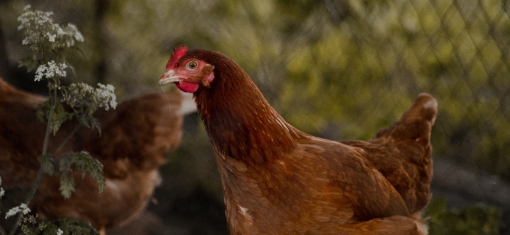



As consumers increasingly demand transparency, welfare, and eco-conscious practices, raising organic laying hens has become more than a trend—it’s a pathway to a sustainable, value-added agricultural enterprise. In France and across Europe, certified organic poultry farming offers distinct advantages, from improved animal health to stronger market margins.
At CABI Group, we guide farmers through every stage: from choosing the right breed to outfitting your housing with mobile coops and ecological systems. This comprehensive guide explores the essential steps and choices to create an efficient, animal-friendly, and profitable organic laying hen operation.
1. Understanding Organic Certification and Core Principles
Organic poultry farming adheres to strict regulations designed to protect bird welfare, preserve soil and ecosystem health, and avoid synthetic inputs:
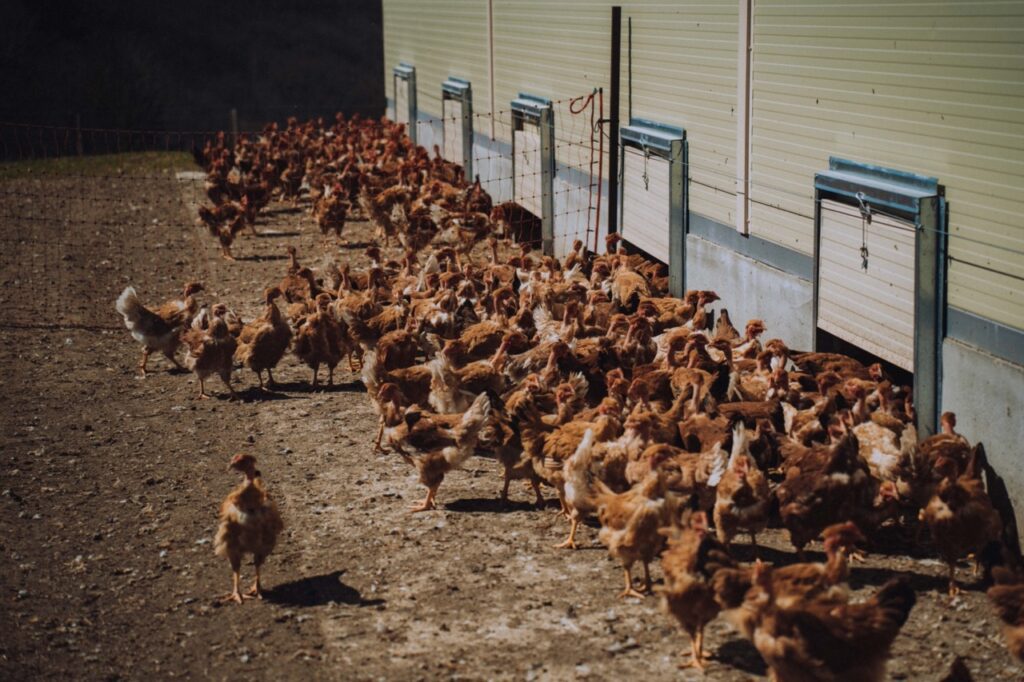
- Access to outdoor runs: Hens must be able to go outside daily, ideally onto vegetated ground.
- Organic feed: Birds consume certified, pesticide- and GMO-free feed.
- Low stocking density: This ensures space freedom, reduced stress, and natural behaviors like foraging and dust bathing.
- Biodiversity support: Flocks are integrated with crop rotation, pasture renewal, and predator-friendly landscaping.
Organic systems aren’t just about compliance—they represent a farming philosophy that resonates with customers and inspires trust.
2. Planning Your Organic Flock
Define Your Objectives
Are you aiming for a small, direct-sales farm shop model? Or a multi-hundred-bird operation supplying restaurants, cooperatives, or supermarkets? Clarifying your ambitions helps determine:
- Flock size and space needs
- Housing—mobile vs. fixed
- Feed sourcing and storage
- Egg collection, grading, and packaging methods
- Sales channels (farm store, markets, restaurants, wholesale, CSA)
Organic production is often enhanced by integrating pasture rotation with crops and livestock, helping soil health while keeping costs down.
Regulatory and Business Considerations
Organic certification requires strict documentation of:
- Feed sources
- Medication and treatment history
- Cleaning and disinfection procedures
- Record keeping for inspections
Consult organic certifiers early—this helps shape your infrastructure and systems from day one.
3. Choosing Breeds and Housing
Selecting the Right Hens
Certain breeds thrive better in organic settings. Consider:
- Rhode Island Red: Hardy and productive, good pasture behavior
- Norfolk Black/Bio breeds: Slower-growing, excellent health
- Hybrid layers: High output, though requiring more careful feeding
Start with pullets (point-of-lay birds), about 16 to 18 weeks old—ideal for a predictable start to egg production.
Housing: Staying Flexible and Comfortable
Housing must meet key criteria:
- Mobility: Mobile coops (like the CABI Origin M or CABI BOX) allow pasture rotation, reduce parasite buildup, and enrich the hens’ environment.
- Size based on flock: For example, a 40 m² unit for 200–240 hens gives each bird around 0.16–0.2 m² indoors.
- Flooring options: Marine plywood or caillebotis for comfort and hygiene.
- Natural ventilation: Preventing heat or humidity buildup while avoiding draughts.
- Nests, perches, feeders, drinkers: Carefully sized and spaced to allow easy access and minimum stress.
Transparency and ease of inspection—such as external-accessing nests and light-permeable walls—help with routine checks and egg collection.
4. Feed Strategies and Pasture Management
Organic Feed Selection
- Sourcing certified organic feed is key.
- You may complement feed with on-farm grains—processed using equipment like CABI’s on-farm mills and mixed under certified supervision.
- Foraging on grass, clover, or legumes adds nutrients and reduces feed costs.
Pasture Rotation
Rotate grazing sections regularly—every 3 to 5 days—to rest and regrow crops, reduce parasite risk, and maintain biodiversity.
5. Ensuring Flock Health and Biosecurity
Health Planning
- Work with a poultry veterinarian to create a vaccination and health plan—typically covering Newcastle, Marek’s disease, and parasitic controls.
- Monitor welfare indicators: feather condition, egg production, mortality, and behavior.
Biosecurity
- Use a “clean/dirty” system with separate footwear and clothes
- Disinfect equipment, perches, and nest boxes regularly
- Employ mobile coops to break disease cycles
- Control access—no unnecessary entry of visitors or equipment
6. Production Flow: From Eggs to Sale
Egg Collection & Storage
Collect eggs daily and store in a cool (12–15 °C), dry place. Washing depends on local regulations. Clearly label for traceability with flock batch info.
Grading & Packaging
- Sort eggs by size or weight
- Pack in eco-friendly cartons—Kraft, pulp, or cardboard
- Add labels: organic logo, lay dates, flock info, sustainability message
Marketing Channels
Organic eggs can be sold via:
- Farm shop or roadside stand
- Farmers’ markets or local retailers
- Restaurants, cafés, hotels (farm-to-table concept)
- Community-supported agriculture (CSA) subscriptions
- Online pre-orders or delivery services
Communicate the story: “organic, mobile, local, humane.” Customers respond to narratives that affirm quality and care.

7. Business Economics and Profitability
Income vs. Cost
Organic eggs often command a premium—but production costs tend to be higher. Consider:
- Feed (organic vs. conventional)
- Labor for rotation, cleaning, collection
- Equipment cost (mobile housing, mobile feeders, water points)
- Certification and documentation
A well-run organic operation consistently breaks even at lower flock sizes than conventional systems.
Labor Planning
Estimate daily chores:
- Feeding, watering, checking flock—30–45 minutes per 100–150 hens
- Cleaning feeders, nests, itinerant coop setup—1–2 hours per week per unit
- Egg collection and processing—20–30 minutes daily
- Pasture moves—30 minutes per rotation
Like crop rotations, planned rhythms spread labor evenly.
8. Environmental Stewardship and Animal Welfare
Organic systems emphasize:
- Improved welfare from outdoor access and roaming
- Enhanced soil fertility through integrated poultry manure
- Pest control via natural scratching and insect consumption
- Eco-friendly materials, like wooden coops and recycled bedding
Document this story with photos, flock logs, and field records—ideal for marketing and compliance reporting.
9. Scaling and Ongoing Improvement
Flock Renewal
At around 65–80 weeks (15–18 months), hens reach end of laying cycle. Plan replacements six weeks ahead to avoid production gaps.
Innovation and Diversification
Consider:
- Selling poultry litter as fertilizer
- Adding mobile duck or goose units during off-season
- Mounting solar lighting in coops for winter egg consistency
- Upgrading with automation (solar-driven openers, sensors, remote tracking)
CABI Group offers retrofit kits, standalone systems, and upkeep plans that grow with you.
Conclusion: A Living, Evolving Business
Organic laying hen farming isn’t static—it’s a living enterprise blending biology, business, and stewardship. It’s about making conscious daily choices in housing, feeding, field rotation, and animal care. It’s hands-on, circular, grounded.
At CABI Group, we believe in practical solutions: mobile coops, easy-to-clean feeders and drinkers, pasture rotation systems, and supportive tools. We’ve helped many farms launch organic flocks that thrive, meet consumer demand, and reinforce farming missions.
Ready to shape your organic laying hen project? Let’s talk—your land, values, and ambition matter.